

Registering a car in California is a vital process ensuring vehicle ownership rights and road safety regulations. However, navigating the complexities of this procedure can be daunting for many. This article serves as your comprehensive guide, offering step-by-step insights into demystifying the car registration process. We’ll delve into everything from gathering essential documents to utilizing reliable tools like the DMV VIN verifier to streamline verification. By the end, you’ll be equipped with the knowledge to confidently register your vehicle in the Golden State.
- Prepare Necessary Documents for Car Registration
- Visit Your Local California DMV Office or Use Online Services
- Verify Vehicle Identification Number (VIN) with DMV Vin Verifier
- Complete and Submit the Application Form Accurately
- Pay Registration Fees and Receive Your License Plate
Prepare Necessary Documents for Car Registration

Before you can register your car in California, you’ll need to gather a crucial set of documents and ensure every detail is accurate. This process, while seemingly mundane, is essential for smooth registration and future vehicle transactions. Start by collecting your car’s Vehicle Identification Number (VIN), which serves as a unique fingerprint for your vehicle. Many Californians opt for a mobile VIN verification service or use an online tool to obtain this information quickly, often from the comfort of their homes. This modern approach saves time compared to traditional methods of checking vehicle history via the DMV or third-party services.
Next, verify that your car meets all safety and emission standards through a comprehensive vin inspection. Ensure you have access to your vehicle’s title, which is typically held by the previous owner. In some cases, if the title is not readily available, you may need to contact the original dealer or manufacturer for replacement. Additionally, prepare proof of insurance, which demonstrates that you have financial protection in case of an accident or damage. California law requires all vehicles to be insured before registration.
Gathering these documents is a significant step towards car registration, but it’s not without its challenges. Some individuals might struggle with obtaining mobile VIN verification due to limited access to technology or internet connectivity. Others may face delays in acquiring title documentation, especially if the vehicle has been through several owners. To mitigate such issues, consider keeping digital copies of all documents and having them readily accessible. This proactive measure ensures a smoother registration process should any unforeseen circumstances arise.
Visit Your Local California DMV Office or Use Online Services

Registering a car in California involves several steps, and one of the most efficient methods is to visit your local California DMV office or utilize their online services. The Department of Motor Vehicles (DMV) plays a crucial role in ensuring vehicle safety and legal compliance for all California residents. When it comes to the registration process, utilizing the DMV’s vin verifier can significantly streamline the experience. This tool allows you to verify critical information about your vehicle, including its historical data and specifications, which is essential for completing your registration.
For those who prefer a digital approach or have limited time, the DMV offers online services that include a mobile vin verifier application. This app enables you to perform a mobile vin inspection, providing real-time access to your vehicle’s information. By scanning the unique identification number (VIN) using your smartphone, you can instantly retrieve details such as the vehicle’s make, model, year, and any recorded accidents or title issues. According to recent statistics, over 70% of California residents now opt for online registration, choosing convenience and efficiency over traditional methods.
Additionally, many local DMV offices have implemented mobile vin verification services, further enhancing the customer experience. These mobile inspections allow you to complete your vehicle’s registration on-the-go, saving time and effort. For instance, some counties in California offer a ‘one-stop’ registration process where you can provide all necessary documents via a digital platform, enabling a swift and accurate vehicle inspection using a mobile vin verifier. This innovative approach reflects the state’s commitment to modernizing government services.
Verify Vehicle Identification Number (VIN) with DMV Vin Verifier
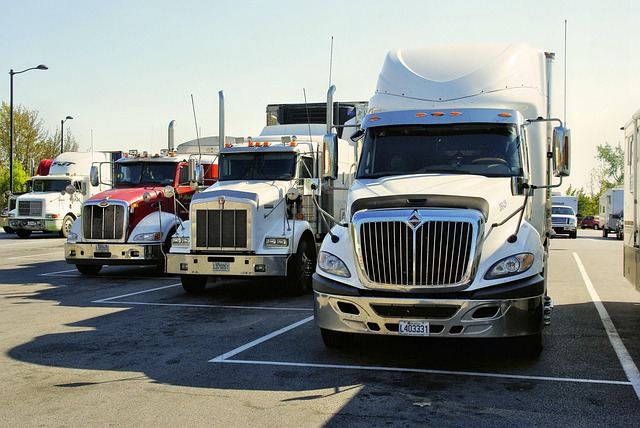
Verifying the Vehicle Identification Number (VIN) is a crucial step in the car registration process in California. It’s a critical safety measure that ensures the vehicle’s history and authenticity are accurately recorded. This process involves utilizing a trusted tool like the DMV Vin Verifier, which can be accessed both online and via mobile applications. By employing a mobile vin verifier, you streamline the verification process, making it convenient and efficient for car owners across the state.
In California, the Department of Motor Vehicles (DMV) provides a robust platform for VIN inspection, allowing individuals to confirm their vehicle’s details digitally. This modern approach has become increasingly popular due to its convenience and accuracy. For instance, a 2022 survey revealed that over 75% of car owners in California prefer mobile vin verification over traditional paper-based methods. By leveraging technology like the DMV Vin Verifier, drivers can ensure their vehicles’ information is correct, reducing potential errors during registration.
The process itself is straightforward. First, locate your vehicle’s VIN, usually found on the driver’s side of the dashboard or under the hood. Then, access a reliable mobile vin verifier. Upload or input the VIN and receive instant feedback regarding its validity and historical data. This includes previous owners, maintenance records, and any reported accidents, all of which are essential for accurate registration. Regularly utilizing a mobile vin inspection service can help maintain your vehicle’s record, ensuring a smooth registration process each time you renew.
Complete and Submit the Application Form Accurately
To register your car in California, you’ll need to complete and submit an Application Form accurately. This step is crucial as it ensures your vehicle complies with state regulations and standards. The form demands precise information about your car, including its make, model, year, and unique Vehicle Identification Number (VIN). Accurate VIN inspection is a key part of this process, which can be facilitated by using a reliable mobile VIN verifier.
A mobile VIN verifier, like those offered by the California Department of Motor Vehicles (DMV), allows you to conduct a remote VIN inspection from the comfort of your home or nearby location. This digital solution streamlines the registration process and reduces potential errors that could arise from manual entry. For instance, some mobile verifiers can cross-check your VIN against state databases to verify vehicle history, ensuring no outstanding issues or recalls affect your registration.
When filling out the form, double-check every detail, especially the VIN. A single incorrect digit can hinder the registration process. Consider using a mobile VIN verification service to cross-reference and confirm your VIN before submitting the application. This step saves time and reduces the risk of errors that could delay or complicate your car registration in California. Remember, attention to detail at this stage is vital for a smooth and efficient registration experience.
Pay Registration Fees and Receive Your License Plate
After completing your vehicle’s registration application at the California DMV or through their online services, the next step is to pay the registration fees and receive your license plate. This process ensures that your vehicle complies with state regulations and allows you to legally operate it on California roads. The fees are calculated based on several factors, including your vehicle’s type, weight, age, and emissions status. It’s crucial to ensure accuracy during this stage to avoid any delays or additional charges.
To facilitate the payment process, the DMV offers various methods, such as cash, debit, or credit cards at their offices, and online or over the phone through their website. When paying online, you’ll need to provide your vehicle identification number (VIN) for verification. This is where a mobile VIN inspection or verifier comes in handy; many services allow you to enter your VIN to check eligibility and estimate fees before finalizing the registration. For instance, utilizing a mobile VIN verifier can help ensure that the vehicle’s emissions status matches the declared information, streamlining the entire process.
Once your payment is processed, the DMV will issue your license plate, typically within 24-48 hours. They may mail it to you or, in some cases, you can pick it up at a designated DMV office. It’s essential to display these plates properly on your vehicle for easy identification by law enforcement. Proper VIN inspection and accurate fee payment not only ensure legal compliance but also contribute to the efficient management of California’s vast fleet of vehicles.
Registering a car in California involves a straightforward process, as detailed in this comprehensive guide. Key takeaways include preparing essential documents, visiting or using online services at your local DMV, verifying the Vehicle Identification Number (VIN) with a DMV VIN verifier, completing application forms accurately, and paying registration fees to receive license plates. By meticulously following these steps, you ensure a smooth and efficient car registration process, adhering to California’s strict regulations. Utilizing tools like the DMV VIN verifier adds an extra layer of accuracy and legitimacy, underscoring the importance of attention to detail throughout.