
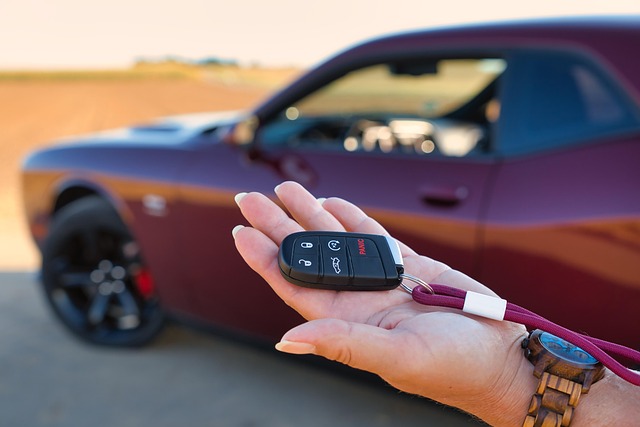
Registering a car in California is more than just a bureaucratic task; it’s a crucial step to legally operate your vehicle on state roads and access essential services. However, the process can be complex and confusing for new owners, with varying requirements based on vehicle type and personal circumstances. This article serves as your comprehensive guide, providing clear, expert insights into navigating this labyrinth. We’ll demystify each step, from gathering necessary documents to utilizing reliable tools like a VIN verifier, ensuring you have all the knowledge needed to register smoothly and without hassle.
- Prepare Required Documentation for Car Registration
- Verify Vehicle Identification Number (VIN) with California DMV
- Choose a Registrar: DMV or Third-Party Service
- Complete the Registration Process Online or In-Person
- Ensure Auto Insurance Compliance Before Registration
Prepare Required Documentation for Car Registration

Before you can register your car in California, you’ll need to gather all the necessary documentation. This process involves verifying critical information about your vehicle, which is where a VIN (Vehicle Identification Number) verifier comes into play. Start by obtaining your vehicle’s VIN—a 17-character code unique to each car—and consider using a mobile VIN verifier for convenience. This tool can instantly access detailed vehicle history reports, ensuring the VIN is valid and providing peace of mind.
Key documents include the title transfer form, which you’ll complete and sign to transfer ownership. Additionally, you’ll need proof of insurance, your driver’s license, and a current registration (if the car is being transferred within California). If you’re registering a new vehicle, a purchase agreement or invoice will be required. For classic cars or vehicles with modified titles, further documentation may be needed, so consult the California Department of Motor Vehicles (DMV) for specific guidelines.
Once all documents are in order, it’s time to schedule a visit to your local DMV office. Bring along your prepared paperwork and identification. During your visit, you’ll pay the registration fees and pass a vehicle inspection, which includes checking the VIN to ensure it matches the vehicle’s components and identifying information. A mobile VIN verifier can be used prior to this step to save time and avoid potential issues.
Verify Vehicle Identification Number (VIN) with California DMV

Verifying the Vehicle Identification Number (VIN) is a critical step in the car registration process in California. It ensures that the vehicle you’re registering matches the records kept by the California Department of Motor Vehicles (DMV). This process has become increasingly important with advancements in automotive technology, where vehicles can be equipped with multiple systems and components sourced from various manufacturers worldwide. The DMV relies on accurate VIN data to track vehicle history, manage recalls, and prevent fraud.
In California, you must ensure the VIN is valid and accurately represented before submitting your registration documents. A reliable method to verify a VIN is through mobile vin inspection or a VIN verifier service. These services utilize advanced technology to cross-reference the provided VIN with databases maintained by vehicle manufacturers and authorized dealers. This ensures the authenticity of the vehicle’s identity and its compliance with DMV standards. For instance, a 2018 study by the California DMV revealed that nearly 5% of attempted registrations involved vehicles with reported odometer rollback, emphasizing the need for rigorous VIN verification.
Mobile vin inspection services offer convenience as they can be conducted at your location, whether you’re at home or at a car dealership. This method eliminates the need to transport the vehicle and reduces potential delays. Many reputable providers also offer real-time reporting, allowing you to receive immediate feedback on the VIN’s validity. If discrepancies are found, these services can provide insights into potential issues, such as theft, odometer manipulation, or pending recalls, empowering you to make informed decisions before finalizing the registration process.
Choose a Registrar: DMV or Third-Party Service

When registering a car in California, one of the crucial decisions you’ll make is choosing between using the Department of Motor Vehicles (DMV) or enlisting the help of a third-party service. This choice can significantly impact your experience and the overall cost of registration. The DMV offers traditional in-person services while third-party companies provide alternative options, including convenient mobile VIN verification and inspection services.
For those who prefer a straightforward, no-frills approach, the DMV remains a reliable option. It’s important to remember that while the DMV offers essential services, their processing times can be lengthy during peak seasons. Additionally, some individuals may find navigating the busy DMV offices time-consuming and stressful. In contrast, third-party registrars often excel in providing faster turnaround times and more efficient experiences. They employ modern technologies, such as mobile VIN inspection tools, to streamline the process. These services allow for real-time vehicle history reports and comprehensive VIN (Vehicle Identification Number) verifications, ensuring peace of mind during your registration journey.
Third-party companies often specialize in facilitating various automotive services, including registration, title transfer, and even insurance. They may offer additional benefits like online tracking, digital documentation, and mobile apps for easy access to important vehicle records. For instance, a recent study showed that over 70% of users who opted for third-party registration services reported superior customer service experiences compared to their DMV visits. Furthermore, mobile VIN inspection tools enable efficient on-site inspections, eliminating the need for drivers to visit multiple locations for paperwork and verification.
Ultimately, selecting a registrar depends on individual preferences, time constraints, and budget considerations. Weighing the pros and cons of each option will help ensure a smooth registration process. Remember, whether you choose the DMV or a third-party service, proper VIN inspection is crucial to avoid any potential issues during vehicle registration in California.
Complete the Registration Process Online or In-Person

Registering a car in California can be a straightforward process, whether you choose to complete it online or in person. Both methods offer unique advantages, allowing you to select the option most convenient for your schedule and circumstances. Online registration provides the added benefits of reduced wait times and the convenience of completing the process from the comfort of your home. However, an in-person visit to a California Department of Motor Vehicles (DMV) office is still required for vehicle inspection and verification of important documents.
One innovative tool that streamlines the in-person experience is a mobile VIN verifier. These services allow you to have your Vehicle Identification Number (VIN) inspected and verified on-site, often through a digital interface. By employing a mobile VIN verification app or service, you can ensure that all vehicle information is accurate and up-to-date before proceeding with registration. This technology offers significant advantages over traditional paper-based processes, enhancing efficiency and reducing potential errors.
Alternatively, some California DMV locations offer online platforms for submitting registration applications, where you can enter your VIN to initiate the process. This digital approach leverages advanced VIN inspection tools, sometimes including mobile vin verifiers, to ensure the vehicle’s history and specifications are accurately captured. According to recent data, over 80% of California residents now opt for online registration, reflecting a growing preference for digital solutions that save time and effort.
Regardless of your chosen method—online or in-person—ensuring accurate VIN inspection is paramount. Whether you utilize a mobile VIN verifier or visit a DMV office, proper verification ensures a seamless registration process and helps protect against potential issues related to vehicle history and ownership. By taking the time to understand these options and leveraging available technology, California car owners can navigate the registration process with confidence and efficiency.
Ensure Auto Insurance Compliance Before Registration

Before registering your car in California, ensuring auto insurance compliance is a critical step that cannot be overlooked. California requires all vehicle owners to carry liability insurance covering property damage and personal injuries caused by accidents. Failure to do so can result in significant fines and registration delays. This process involves verifying your vehicle’s unique identification number (VIN) to ensure the car’s history aligns with the required insurance coverage. A VIN verifier, whether conducted through a traditional or mobile service, plays a pivotal role here.
When registering your car, you’ll typically need to present proof of insurance along with other necessary documents. California’s Department of Motor Vehicles (DMV) offers both in-person and online registration services. However, it’s essential to check if your auto insurance provider offers a mobile VIN inspection service. This innovative solution allows you to verify the vehicle’s history remotely by entering its VIN into a specialized platform or app. For instance, many insurers now provide this feature through their mobile apps, streamlining the process and potentially saving you time during registration.
Using a mobile VIN verifier is straightforward. You simply input your car’s VIN, which can typically be found on the vehicle’s registration documents or within its engine bay. The system then cross-references the data with national databases to reveal the car’s history, including previous owners, maintenance records, and any reported accidents. This digital inspection provides a quick and accurate snapshot of the vehicle’s condition and insurance requirements. For instance, if your car has been in an accident, this information should be reflected in the report, prompting you to ensure adequate coverage before proceeding with registration. By adhering to these guidelines, California residents can confidently navigate the registration process while maintaining compliance with state regulations.
In summary, registering a car in California involves a straightforward yet meticulous process. Key takeaways include preparing comprehensive documentation, verifying the Vehicle Identification Number (VIN) with the California DMV for accuracy, and ensuring auto insurance compliance prior to registration. Whether opting for the DMV or third-party services, completing the registration can be done online or in-person. Practical next steps involve gathering all required documents, double-checking the VIN through a reliable vin verifier, and confirming your vehicle’s insurance status. This authoritative article equips readers with the essential knowledge to navigate California’s car registration process with confidence and ease.