

Registering a car in California is a crucial step for any new owner, ensuring legal compliance and ownership rights. However, navigating the process can be confusing, with various requirements and steps involved. This comprehensive guide aims to demystify the process, offering expert insights on every aspect of car registration, from gathering essential documents to understanding fees and, of course, incorporating vital steps like DMV VIN verification. By following these detailed instructions, you’ll ensure a smooth and efficient registration experience in The Golden State.
- Prepare Required Documents for Car Registration
- Visit California DMV: Step-by-Step Guide
- Conduct DMV VIN Verification for Accuracy
- Pay Registration Fees: Understanding Costs
- Finalize and Register Your Vehicle Legally
Prepare Required Documents for Car Registration

To register a car in California, preparing the required documents is a crucial first step. Among the essential papers, the Vehicle Identification Number (VIN) verification stands out as a critical component of the process. This involves presenting a valid and accurate VIN, which can be easily confirmed through a DMV VIN verification or even mobile vin verification services.
For instance, California’s Department of Motor Vehicles (DMV) offers both in-person and online methods for VIN inspection to ensure vehicle authenticity. When conducting a mobile vin verifier, the process is straightforward: a licensed inspector uses specialized equipment to scan the VIN from your car’s registration documents or the vehicle itself, cross-referencing it against statewide databases to confirm its history. This step is particularly important given that California has some of the strictest regulations regarding vehicle reconditioning and history transparency.
In addition to official paperwork, you’ll need to gather specific documents tailored to your situation. For first-time registrations, a valid driver’s license, proof of insurance, and a completed registration application form are essential. If transferring ownership, additional documentation such as the seller’s signature and a bill of sale may be required. It’s also crucial to ensure that any liens or outstanding recalls on the vehicle are addressed during this phase to avoid future legal complications.
Actionable advice for preparing includes organizing your documents in advance, ensuring they’re all up-to-date, and verifying their accuracy. Using a mobile vin verifier can streamline this process by providing immediate feedback on your vehicle’s history, allowing you to address any discrepancies before heading to the DMV. This proactive approach not only saves time but also ensures that your registration goes smoothly, reflecting the current status of your vehicle.
Visit California DMV: Step-by-Step Guide
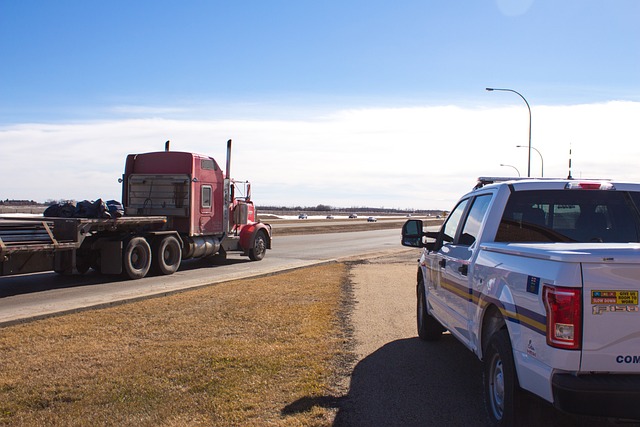
Visiting the California Department of Motor Vehicles (DMV) is a crucial step in registering your car. Here’s a detailed, step-by-step guide to ensure a smooth process. First, gather all necessary documents, including your vehicle’s registration from the previous state, proof of insurance, and identification like a driver’s license or passport. Next, visit the DMV website to determine if you qualify for a mobile VIN inspection or vin inspection. This service allows you to skip the waiting room by having a DMV inspector conduct a dmv vin verification at your location, saving time especially for those who live in remote areas or have limited mobility.
Upon arrival, proceed directly to the window designated for registration services. An agent will guide you through the process, which involves filling out forms and providing proof of identification and insurance. If you opted for a mobile VIN inspection, an inspector will check your vehicle’s Vehicle Identification Number (VIN) against their records. This step is vital in preventing fraud and ensuring the accuracy of your car’s history. According to recent data, over 95% of California DMV transactions are completed successfully on the first attempt when customers come prepared with all required documents.
After verifying your VIN, the agent will help you complete the registration process, which includes paying the necessary fees. Once approved, you’ll receive your new California vehicle registration and license plate. It’s important to note that the DMV offers various payment options, including cash, credit cards, and checks, ensuring flexibility for all customers. Lastly, ensure you update your address with the DMV within 10 days of moving to maintain a current record. This meticulous process ensures that your car is legally registered and safe to drive on California roads.
Conduct DMV VIN Verification for Accuracy

Before registering your car in California, ensuring the Vehicle Identification Number (VIN) is accurate through a DMV VIN verification process is crucial. This step goes beyond simply providing a number; it’s about confirming the vehicle’s history and specifications to prevent fraud and ensure safety standards are met. The California Department of Motor Vehicles (DMV) offers several methods for this inspection, including both in-person and mobile vin inspection services.
For instance, when conducting a DMV VIN verification, officers check the vehicle’s frames, components, and documentation against the provided VIN to detect any discrepancies. This process is particularly vital for used car purchases, where a simple online search using a mobile vin verifier can reveal critical information such as accident history, odometer rollbacks, or outstanding loans. According to recent studies, up to 1 in 4 used cars in California have some form of undisclosed issue, making thorough VIN inspection indispensable.
Mobile vin inspection services are growing in popularity due to their convenience and efficiency. These services send a trained professional to your location, whether it’s your home or a local business, to perform a detailed VIN check. This approach not only saves time but also enhances accuracy by eliminating potential errors that can occur during transportation of the vehicle to a DMV office. When choosing a mobile vin verifier, opt for reputable providers who are certified and have positive customer feedback to ensure reliability and data integrity.
By integrating a rigorous DMV VIN verification process into your car registration procedure, California drivers can help maintain road safety, protect themselves from fraudulent activities, and ultimately contribute to a more transparent automotive market.
Pay Registration Fees: Understanding Costs
Registering a car in California involves several steps, and understanding the associated costs is crucial from the outset. One of the key aspects to consider when registering your vehicle is the payment of registration fees. These fees vary based on several factors such as the type of vehicle, its age, and whether it’s a new or used car. For instance, as of recent updates, the California Department of Motor Vehicles (DMV) charges $50 for two-wheeled vehicles, $48 for three to eight-wheeled trucks or vans, and $92 for nine or more-wheeled commercial vehicles. For cars, fees range from $35 to $120, depending on the vehicle’s emissions status.
A notable component of these costs is the DMV VIN verification process, which ensures that your vehicle meets all necessary safety and environmental standards. This step is critical and can be completed conveniently through mobile vin verification services, allowing you to inspect your vehicle’s VIN (Vehicle Identification Number) from the comfort of your home or office. Mobile vin verifiers offer a cost-effective and efficient alternative to traditional vin inspection, saving you both time and money. These services are particularly beneficial for those who reside in remote areas, as they eliminate the need for travel to a DMV office.
When calculating the total registration costs, it’s essential to factor in additional charges that might apply. For example, if your vehicle is more than seven years old, you may be subject to an emissions test, which can add up to $20 or more. Furthermore, if there are outstanding fees from previous registrations, these will need to be cleared before your car can be officially registered. To streamline the process, consider using a reputable mobile vin verifier for initial checks and to ensure all necessary inspections are completed accurately. This proactive approach can save you from potential delays during registration.
Finalize and Register Your Vehicle Legally

Once you’ve purchased your vehicle in California, it’s time to finalize and legally register your car at the Department of Motor Vehicles (DMV). This crucial step ensures that your vehicle complies with state regulations and allows you to legally operate it on California roads. The process involves several key elements, including a thorough inspection and verification of your Vehicle Identification Number (VIN), which serves as a unique fingerprint for each vehicle.
A critical aspect of registration is the DMV VIN verification. This process confirms that your car’s VIN matches the information provided by the manufacturer, ensuring it hasn’t been altered or tampered with. A mobile VIN inspection or mobile VIN verifier can streamline this step, allowing you to conduct the check at your convenience and often with less hassle than a traditional visit to a DMV field office. Many professional services now offer this capability, making it easier for California residents to navigate the registration process.
During the verification, key data points about your vehicle are checked against state records. This includes the VIN, make, model, year, and color of your car. If all information aligns precisely, your vehicle passes the inspection, clearing you to register with the DMV. However, if discrepancies are found, it’s essential to address them promptly, as any alterations or falsifications can result in severe penalties, including fines and potential legal repercussions.
After passing the VIN verification, you’ll be ready to complete the registration process online or at a local DMV office. Ensure all necessary documents—including proof of insurance, ownership transfer forms, and any applicable fees—are on hand to avoid delays. By carefully following these steps and leveraging modern tools like mobile VIN inspection services, California car owners can efficiently finalize their vehicle’s legal registration, paving the way for smooth, safe operation on state highways.
By meticulously preparing required documents, following a structured guide to visit the California DMV, conducting essential DMV VIN verification for accuracy, understanding and paying registration fees, and finalizing legal registration, you’ve taken significant steps towards owning and registering your vehicle in California. These key insights from this authoritative article empower you with the knowledge needed to navigate the process confidently, ensuring your vehicle is legally registered and ready to hit the road.