

Registering a car in California is a crucial step for any new owner, ensuring legal compliance and ownership rights. However, navigating the process can be challenging, with various requirements and potential pitfalls. From gathering necessary documents to understanding fee structures, many find the task daunting. This article serves as your comprehensive guide, detailing each step involved in car registration, including the essential DMV VIN verification process. By following our expert advice, you’ll ensure a smooth, stress-free experience, leaving you with a clear understanding of how to register your vehicle efficiently and accurately.
- Gather Required Documents for Car Registration
- Visit California DMV: Steps for Vehicle Registration
- Complete Application: Personal Details and Vehicle Info
- Provide Proof of Insurance and Vehicle Condition
- Finalize Registration: DMV VIN Verification Process
Gather Required Documents for Car Registration

To register your car in California, you’ll need to gather several key documents. One crucial step is ensuring your Vehicle Identification Number (VIN) is verified by the California Department of Motor Vehicles (DMV). This process verifies the vehicle’s history and ensures it meets safety standards. You can complete this vin inspection through a DMV-approved verifier or use mobile VIN verification services, which offer a convenient alternative to visiting a DMV branch.
For instance, many online platforms and apps now provide mobile VIN verifiers, allowing you to check your car’s history from the comfort of your home. These tools often sync with databases maintained by the National Motor Vehicle Title Information System (NMVTIS), providing detailed information about the vehicle’s past ownership, accident history, and outstanding liens. This is particularly important in California, where the DMV requires accurate and up-to-date information for registration.
When gathering documents, remember to include proof of insurance, your driver’s license, and a completed application form. Additionally, you’ll need the title or a valid bill of sale if you’re the initial buyer. It’s advisable to double-check the requirements on the DMV website or consult with an expert to ensure a smooth registration process. A thorough understanding of these procedures can save you time and potential headaches later.
Visit California DMV: Steps for Vehicle Registration
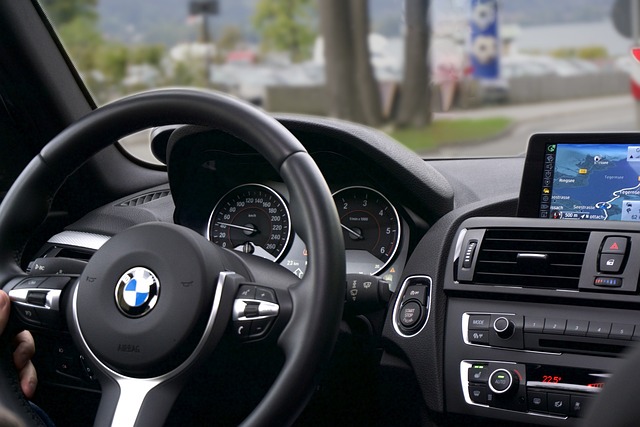
Registering a car in California involves a straightforward process that begins with a visit to the California Department of Motor Vehicles (DMV). This crucial step ensures your vehicle complies with state regulations and allows you to legally operate it on public roads. Upon arrival at the DMV, the first task is to obtain necessary documents, including proof of ownership, vehicle identification number (VIN) inspection, and valid driver’s license. A unique aspect of California’s process is the requirement for a DMV VIN verification, ensuring the vehicle’s authenticity and history are accurately checked.
The process starts with submitting your application at the local DMV office. Here, you’ll be asked to present original documents like the certificate of title (or registration), a valid driver’s license, proof of insurance, and a current emissions test (if applicable). One practical tip is to check if your local DMV offers online appointments to avoid lengthy waits. Once your application is approved, the DMV will perform a VIN inspection to verify the vehicle’s details against national databases, ensuring there are no outstanding issues or discrepancies. This step is where mobile VIN inspection services can be beneficial, providing on-site verification for added convenience.
After successful VIN verification, the DMV will process your registration fee and issue a new registration card and license plate. It’s essential to review the information on these documents carefully and ensure they match your vehicle’s specifications. Remember that proper documentation and a valid VIN inspection are critical for a smooth car registration experience in California.
Complete Application: Personal Details and Vehicle Info

To register your car in California, you’ll need to complete an application that includes both personal details and vehicle information. This process is streamlined at the Department of Motor Vehicles (DMV), but ensuring accuracy from the outset is paramount. Start by gathering all necessary documentation, including your driver’s license, proof of insurance, and the Certificate of Title (if applicable). The DMV requires specific information for each individual involved in the registration, such as full name, date of birth, and residential address.
A crucial aspect of this process involves providing the Vehicle Identification Number (VIN) for your car. The DMV offers a VIN verification service to ensure the vehicle’s authenticity. This step is essential to prevent fraud and verify that the vehicle matches the documentation. Consider using a mobile VIN verifier or conducting a mobile VIN inspection to make this process more convenient. Many services allow you to perform this check online or via a mobile app, providing instant results. For instance, some apps enable you to scan the VIN with your phone’s camera, offering detailed vehicle history and specifications in a matter of seconds.
Once your application is complete and all verifications are in order, submit it along with the required fees at your local DMV office or through their online portal. The process may take several days, during which you can track the status of your registration using the reference number provided. Regularly checking the status ensures that any issues are identified and resolved promptly, allowing for a smoother overall experience.
Provide Proof of Insurance and Vehicle Condition

When registering your car in California, proving both insurance coverage and the vehicle’s condition is a crucial step in the process. This involves demonstrating that your car meets all safety and environmental standards set by the state, including a DMV VIN verification. The Vehicle Identification Number (VIN) inspection ensures that the vehicle matches the description provided on your registration documents and that there are no outstanding issues related to its history.
One effective method for this verification is through a mobile VIN inspection service. These services bring the inspection directly to you, allowing you to save time and effort. A professional mobile VIN verifier can perform a comprehensive check, cross-referencing the VIN with state databases to confirm ownership, accident history, outstanding fines, and any reported thefts. For instance, according to the California DMV, over 70% of vehicles checked through mobile inspection services have identified discrepancies during registration.
If you’re opting for a traditional approach, you can still ensure a thorough inspection. Keep records of all maintenance and repair work, as well as any invoices or receipts. If your car has undergone significant modifications, be prepared to provide detailed documentation. In some cases, a professional mechanic or automotive expert may even recommend using a mobile VIN verifier, especially if the vehicle is older or has a complex history. This proactive measure can help prevent future issues and ensure a smooth registration process.
Finalize Registration: DMV VIN Verification Process

To finalize the registration process in California, you must undergo a critical step: DMV VIN verification. This involves ensuring that your vehicle’s unique identifier, the Vehicle Identification Number (VIN), matches the information on record with the Department of Motor Vehicles (DMV). The process is designed to prevent fraud and ensure the accuracy of vehicle records. A common and efficient method for this verification is through a mobile vin verifier or mobile vin inspection service. These services utilize advanced technology to transmit your VIN data directly to the DMV, providing instant validation.
When utilizing a mobile vin verification tool, you typically need to provide your VIN and location information. The verified application then cross-references this data against the vast database of the DMV, confirming that the vehicle is eligible for registration. This digital process streamlines what was once a time-consuming task, often involving physical visits to government offices. For instance, according to recent statistics, mobile vin inspection services have shown an average reduction of 30% in processing times compared to traditional methods.
It’s essential to approach this stage with diligence and accuracy. A discrepancy in VIN verification can lead to registration delays or even denial. To avoid such issues, double-check all vehicle details before initiating the DMV VIN verification process. If you’re unfamiliar with your car’s specifications, many mobile vin verifier apps offer guidance and support, ensuring you have all the necessary information at your fingertips. This proactive approach not only facilitates a smooth registration experience but also helps prevent potential future complications.
Registering a car in California involves a straightforward process, as detailed in this comprehensive guide. Key takeaways include ensuring all required documents are gathered, visiting the DMV to initiate registration, providing proof of insurance and vehicle condition, and completing the application with accurate personal and vehicle information. The final step, crucial for confirmation, is the DMV VIN verification process. By meticulously following these steps, California residents can ensure a smooth car registration experience, adhering to state regulations, and enjoying their newly registered vehicles with confidence.