

Registering a car in California involves navigating a process that demands precision and attention to detail. The importance of this task extends beyond simply obtaining a set of plates; it’s about ensuring your vehicle complies with state regulations, facilitating smooth transactions, and protecting your investment through proper documentation. A key step in this process is accurate Vehicle Identification Number (VIN) verification, which safeguards against fraud and ensures the vehicle’s history is accurately represented. This article serves as your comprehensive guide to demystifying the registration process, empowering you to navigate it with confidence and ease.
- Gather Required Documents for Car Registration
- Prepare Your Vehicle for Inspection: VIN Verification
- Choose a California Department of Motor Vehicles (DMV) Office
- Submit Applications and Pay Fees for Registration
- Receive Your Registration Certificate and License Plate
Gather Required Documents for Car Registration

Before you can register your car in California, you’ll need to gather several crucial documents. This process is essential for ensuring a smooth transaction and maintaining legal compliance. Key among these documents is the Vehicle Identification Number (VIN) verification, which acts as a unique fingerprint for your vehicle. In California, this typically involves a VIN inspection conducted by a designated agent or a mobile VIN verification service.
California requires you to provide proof of ownership, often in the form of a title document. Additionally, you’ll need to present valid identification, such as a driver’s license or state ID card. For vehicles not registered in your name, a lienholder may also require their information to be included on the registration documents. It’s important to note that some out-of-state purchases might require additional paperwork, including odometer readings and emissions test results, especially if the vehicle is being transferred for the first time.
For convenience and accuracy, many Californians opt for mobile VIN inspection services. These professionals can perform a thorough VIN verification right at your location, saving you a trip to the DMV. They use specialized tools to cross-reference the VIN with national databases, ensuring its authenticity and history. This method is particularly beneficial when purchasing a used car, as it allows you to make an informed decision before finalizing the registration process.
Prepare Your Vehicle for Inspection: VIN Verification

Before you can register your car in California, ensure your vehicle passes the state’s rigorous safety standards. One crucial step in this process is VIN verification, which involves a thorough inspection of your car’s unique Vehicle Identification Number (VIN). This process verifies that your vehicle meets all safety and environmental standards set by the California Department of Motor Vehicles (DMV). During vin verification, an inspector will examine critical components like lights, brakes, tires, and emissions systems to ensure they function correctly.
For convenience and flexibility, many drivers opt for mobile vin inspection services, allowing your vehicle to be inspected at your location. These mobile vin verifiers provide real-time feedback on any issues found during the inspection, streamlining the registration process significantly. It’s essential to choose a reputable service provider who adheres to California’s strict guidelines to avoid potential delays or complications later.
Some vehicles may require additional scrutiny due to their age or specific characteristics. For instance, classic cars or those with modified engines might necessitate specialized mobile vin verification services that cater to these unique circumstances. By proactively preparing your vehicle for vin verification, you can prevent unexpected hurdles and ensure a smooth registration experience.
Choose a California Department of Motor Vehicles (DMV) Office
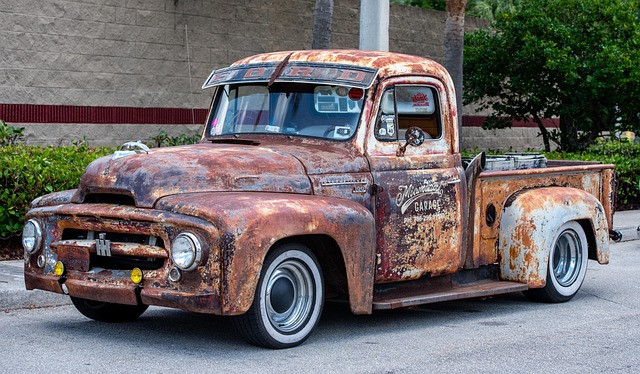
Choosing the right California Department of Motor Vehicles (DMV) office is a crucial step when registering your car. With numerous locations across the state, each equipped with specialized services, selecting an appropriate branch can streamline the registration process and potentially save you time. The DMV offers both in-person and mobile vin verification services, ensuring convenience for various needs.
For instance, if you’re based in a remote area or have limited mobility, opting for a mobile vin verifier could be ideal. These services send a specialized technician to your location, facilitating a swift and accurate vin inspection. This method is particularly useful when dealing with classic cars or unique vehicle models that might require specialized knowledge for proper vin verification. In some cases, waiting times at busy DMV offices can be lengthy, especially during peak seasons.
Conversely, if you’re located in urban areas like Los Angeles or San Francisco, visiting a DMV office directly could be more efficient. Some branches offer dedicated lanes for specific services, such as registration renewals or title transfers, making the process faster and less cumbersome. Additionally, many offices provide online resources and appointment scheduling, allowing you to prepare necessary documents beforehand and minimize delays.
When choosing an office, consider factors like location convenience, operational hours, and available services. Using mobile vin verification options can be a strategic move for efficient registration, especially when dealing with specialized vehicles. Ensure that the selected DMV branch offers this service to enhance your overall experience.
Submit Applications and Pay Fees for Registration

To complete the registration process in California, you’ll need to submit applications and pay the associated fees. This involves providing essential documentation, including proof of insurance, a completed application form, and the required registration fee. One crucial step in this process is accurate vin verification. The Vehicle Identification Number (VIN) inspection ensures that your car’s details match the information provided by the manufacturer.
In California, you can conduct this vin inspection using a mobile vin verifier, which allows for convenient and accurate reading of your vehicle’s VIN. This method is particularly beneficial as it eliminates potential errors associated with manual entry or outdated records. For instance, a study conducted by the California Department of Motor Vehicles (DMV) found that nearly 10% of registration applications had inaccuracies in VIN data, emphasizing the importance of using reliable mobile vin verification tools.
When submitting your application, ensure all information is correct and updated. This includes details like the vehicle’s make, model, year, and any modifications made since its manufacture. Accurate record-keeping not only aids in smooth registration but also enhances safety by preventing potential issues with insurance claims or law enforcement checks. To streamline the process, consider using online platforms that facilitate vin inspection as part of their registration submission workflow, offering a more efficient and user-friendly experience.
Receive Your Registration Certificate and License Plate

After completing the registration application and providing all necessary documentation, it’s time to receive your vehicle’s official registration and license plates in California. This crucial step ensures that your car is legally recognized on state roads. The California Department of Motor Vehicles (DMV) will process your application and issue a Registration Certificate, which proves ownership and insurance compliance. Alongside this document, you’ll be provided with a set of custom license plates that uniquely identify your vehicle.
Obtaining these plates involves several key steps. First, the DMV will perform a Vehicle Identification Number (VIN) verification to ensure the vehicle’s details match the application. This process is essential for security and accuracy. You can facilitate this by having your VIN readily available during the application stage. For instance, many online registration services offer a mobile VIN verification feature, allowing you to confirm your car’s identity using just your smartphone. This modern approach streamlines the process, especially for those who prefer digital solutions.
Once the VIN inspection is complete and approved, the DMV will assign and deliver your license plates. These plates must be displayed on your vehicle at all times while operating on California roads. It’s important to note that specific plate designs and sizes are prescribed by the state, ensuring uniformity and readability. Properly displaying these plates is not only a legal requirement but also a practical measure to prevent theft or fraud, as it allows authorities to quickly verify vehicle ownership during inspections.
Registering a car in California involves several crucial steps, from gathering essential documents to ensuring your vehicle passes VIN verification. By preparing thoroughly and visiting a designated California DMV office, you can streamline the process efficiently. After submitting applications and paying required fees, you’ll receive your registration certificate and license plates, marking a significant milestone for your automotive journey. Remember, accurate documentation and adhering to VIN verification standards are key to a successful car registration in this state.