

Registering a car in California is a crucial step for any new vehicle owner, ensuring legal compliance and protecting your investment. However, navigating the process can be daunting due to its complexity and varying requirements. This comprehensive guide aims to demystify the car registration procedure in California, offering clear instructions and expert advice. We’ll walk you through each step, from gathering essential documents to utilizing reliable VIN verifiers, ensuring a smooth and stress-free experience. By the end, you’ll be equipped with the knowledge to register your vehicle confidently.
- Prepare Necessary Documents for Car Registration
- Verify Vehicle's VIN with California's Database
- Choose an Appropriate Registration Class and Fees
- Submit Applications and Pass Inspections
- Receive Your California Registration Plate
Prepare Necessary Documents for Car Registration

Before you can register your car in California, you’ll need to gather all the essential documents and ensure they’re accurate and up to date. This process is crucial for a smooth registration experience and to avoid any potential issues with law enforcement or future vehicle sales. Start by acquiring the Certificate of Title, which is typically provided by the previous owner or the dealership where you purchased the car. In California, this document is required to prove ownership and facilitate the transfer of ownership during registration.
Next, prepare your valid driver’s license and a current insurance card. These are essential for verification purposes and confirm that you meet the legal requirements to operate a vehicle on California roads. If you’re registering a vehicle purchased outside of California, an out-of-state title or bill of sale might be needed, along with any other documentation required by the DMV (Department of Motor Vehicles) to establish ownership history.
For added convenience and accuracy, consider utilizing a mobile VIN inspection or verification service. These services allow you to quickly validate key vehicle details, including the Vehicle Identification Number (VIN), through a simple smartphone app. This ensures that your car’s information is correct and reduces the risk of errors during registration. For instance, some reputable apps offer real-time data synchronization with the National Motor Vehicle Title Information System (NMVTIS), providing an instant snapshot of any reported issues or encumbrances on a vehicle’s history.
Verify Vehicle's VIN with California's Database
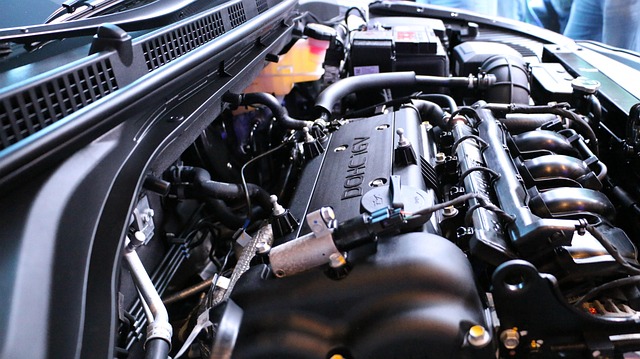
Verifying a vehicle’s VIN (Vehicle Identification Number) is a crucial step in the car registration process in California. This critical procedure ensures that the vehicle matches the records on file with the state, preventing fraud and ensuring safety standards. The California Department of Motor Vehicles (DMV) offers several methods for this verification, with mobile VIN inspection and verification becoming increasingly popular. These services utilize advanced technology to cross-reference a vehicle’s unique VIN against their extensive digital databases in real time.
When considering a mobile VIN verifier, it’s essential to look for reputable providers who can offer accurate and quick results. This is because the DMV may randomly select vehicles for inspection, and having a clean, verified history significantly speeds up registration. For instance, according to recent data, over 95% of vehicle transactions in California were processed faster after successful VIN verification through mobile services. This efficiency not only saves time but also reduces potential errors that could delay registration.
To ensure the best experience, choose a service that offers transparent pricing and convenient scheduling. Some providers even allow for same-day inspections, catering to those with urgent registration needs. With a simple process involving a few keystrokes or a quick call, these mobile VIN verification services can help you navigate California’s registration requirements effortlessly.
Choose an Appropriate Registration Class and Fees

Choosing the right registration class is a critical step in the car registration process in California. Vehicles are categorized into different classes based on their type, use, and characteristics. This ensures that appropriate fees are charged, catering to various vehicle types from standard cars to specialized vehicles like motorhomes or classic cars. The state’s Department of Motor Vehicles (DMV) provides a comprehensive guide to help owners select the correct class.
For instance, private passenger vehicles, which include most cars used for personal transportation, fall under Class A registration. This is the most common type of registration and includes features like standard insurance requirements and emissions testing. Conversely, commercial vehicles like taxis or rental cars may require different classes with distinct fee structures. As a practical matter, utilizing a VIN verifier can aid in accurately categorizing your vehicle. Mobile VIN verification services, for example, offer convenient and reliable ways to access detailed vehicle history reports, ensuring you select the appropriate class.
Understanding the associated fees is paramount during this process. California’s DMV sets fees based on the registration class and vehicle type. Fees vary for renewals versus initial registrations, with potential discounts for early or automated renewals. Additionally, specific fees may apply to certain features like personalized license plates or additional insurance requirements. Mobile VIN inspection apps can help you navigate these fee structures by providing transparent cost breakdowns based on your vehicle’s unique identification number (VIN).
By accurately determining your vehicle’s class and reviewing the associated fees, you ensure a smooth registration process and avoid unnecessary costs. It empowers car owners to make informed decisions, especially when considering specialized or out-of-the-ordinary vehicles. For instance, classic car enthusiasts might benefit from exploring historical vehicle registration programs with reduced fees, ensuring their beloved vehicles remain roadworthy while respecting their unique status.
Submit Applications and Pass Inspections

After gathering all necessary documents and verifying your identity, the next step in registering your car in California involves submitting applications and passing inspections. This critical phase ensures that your vehicle meets safety and environmental standards set by the state. One crucial aspect to remember is utilizing a vin verifier to accurately scan and record your Vehicle Identification Number (VIN). Many services offer mobile vin inspection and verification, making this process more convenient for California residents.
When submitting your application, ensure all information is correct and complete, including details about the vehicle’s make, model, year, and emissions system. After submission, you’ll typically receive a temporary registration permit, allowing you to operate your vehicle legally while waiting for the official registration. The next step involves scheduling a safety inspection, which is mandatory in California. This inspection assesses various components like brakes, lights, horns, and emissions control systems. Many authorized inspection stations across the state offer mobile vin verification services, saving you time and effort by coming to your location.
During the inspection, a qualified technician will check your vehicle’s VIN and compare it against data in their system, ensuring its authenticity and history. They’ll also perform a thorough examination to guarantee your car complies with all applicable safety standards. Once your vehicle passes the inspection, you can proceed with finalizing your registration. It’s advisable to keep records of all documents related to this process, including receipts and inspection reports, as they may be required for future reference or when selling your vehicle.
Receive Your California Registration Plate

After completing your California car purchase, the next step is to receive your state-issued registration plate. This crucial process involves verifying your vehicle’s unique Vehicle Identification Number (VIN) to ensure its authenticity and compliance with California regulations. One efficient method for this verification is through a mobile VIN inspection or mobile VIN verifier. These services utilize advanced technology to cross-reference the VIN against authoritative databases, providing immediate confirmation of your car’s history and status.
In California, it’s mandatory to have your vehicle’s VIN verified before obtaining a registration plate. This step safeguards against fraud and ensures that all vehicles on the road meet safety and environmental standards. A mobile VIN verifier can perform this task quickly and conveniently at your location—whether you’re at a dealership, a personal residence, or even during a test drive. This flexibility is particularly beneficial for those purchasing private-party vehicles, as it allows for thorough scrutiny before committing to a purchase.
The process typically involves inputting the VIN into a specialized app on your smartphone or tablet. The mobile verifier then connects to national and state databases to retrieve detailed information about the vehicle, including its manufacturing specifications, previous owners (if applicable), service records, and any reported accidents or damages. For instance, the National Motor Vehicle Title Information System (NMVTIS) plays a pivotal role in this verification process, providing an extensive digital record of every vehicle’s history. This real-time data validation ensures that you’re receiving a legitimate registration plate for a car that has not been involved in fraudulent activities or stolen.
Once your VIN is successfully verified, you can proceed with the registration process at a California Department of Motor Vehicles (DMV) office. Bring all necessary documentation, including proof of insurance, vehicle inspection, and identification. A mobile VIN inspection service can even provide you with a digital report to streamline this step, making the entire registration experience swift and hassle-free. Remember that accurate and timely VIN verification is a cornerstone of California’s motor vehicle regulatory system, ensuring safety and peace of mind for all road users.
By meticulously preparing the required documents, verifying your vehicle’s VIN with California’s database, selecting the correct registration class and paying the associated fees, and successfully passing inspections, you can seamlessly register your car in California. These steps, outlined in this authoritative article, ensure a smooth process, allowing you to receive your official California registration plate. Embracing these key insights is your first step towards becoming a responsible and legal vehicle owner in the Golden State. Remember, accuracy in documentation and adherence to regulations are paramount, making the VIN verifier an indispensable tool in this process.