

Registering a car in California involves navigating complex regulations to ensure legal compliance and protect your investment. The process can be daunting, especially with concerns around identity verification and accurate vehicle information. This comprehensive guide is designed to empower you, providing step-by-step instructions for a seamless registration experience. We’ll delve into the essential requirements, including crucial aspects like Vehicle Identification Number (VIN) verification, to ensure your car’s details are precise and secure. By following these expert guidelines, you’ll efficiently register your vehicle while maintaining peace of mind.
- Gather Necessary Documents for Car Registration
- Prepare Your Vehicle for Inspection and Title Transfer
- Perform VIN Verification: A Crucial Step in the Process
- Submit Applications and Fees at a California DMV Office
- Receive Your Certificate of Ownership and License Plate
Gather Necessary Documents for Car Registration

Registering a car in California involves several crucial steps, and one of the most critical is ensuring you have all the necessary documents ready. This process can be streamlined by understanding what’s required and preparing accordingly. Central to this process is the Vehicle Identification Number (VIN) verification, which establishes the vehicle’s authenticity and history. It’s essential to gather accurate documentation, including proof of ownership, a valid driver’s license, and current registration (if applicable).
A key tool in this process is a mobile VIN verifier or inspection service. These services enable you to conduct a thorough VIN check on your vehicle from the comfort of your home or office. By employing a mobile VIN inspector, you can verify the vehicle’s history, including any accidents, outstanding liens, or odometer discrepancies. This step is vital, as it ensures that the car you’re registering is free from any legal issues and has an accurate mileage record. For instance, in 2022, California’s Department of Motor Vehicles (DMV) reported that over 50% of vehicles with suspected odometer fraud were identified through VIN inspections.
Once your VIN inspection is complete and you’ve verified all documents, you can proceed to the DMV or designated registration agency. It’s advisable to double-check the requirements specific to your county or city within California, as procedures may vary slightly. Having the necessary paperwork ready not only expedites the registration process but also ensures a smooth transition from owner to registered vehicle.
Prepare Your Vehicle for Inspection and Title Transfer
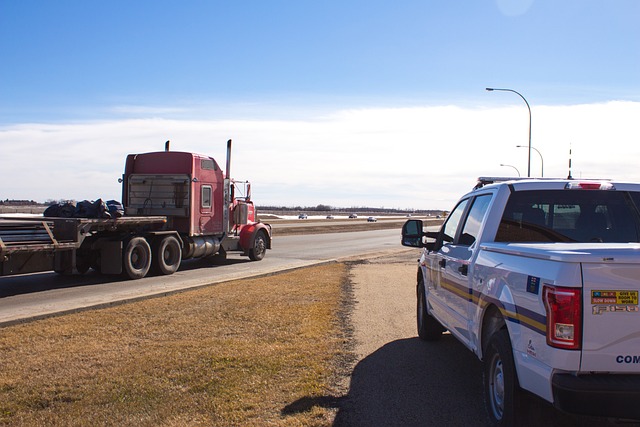
Before you can register your vehicle in California, your car must pass an inspection to ensure it meets safety and emissions standards. This process involves a thorough check of various components, from lights and brakes to exhaust systems and tires. To streamline this step, consider arranging for a mobile VIN inspection, which allows the verification of your Vehicle Identification Number (VIN) and essential vehicle details right at your location. A mobile vin verifier can access real-time data, performing a comprehensive VIN verification that complements the standard inspection process.
During the preparation phase, ensure all necessary documents are in order, including proof of ownership, registration records, and any required emissions test certificates. It’s crucial to have accurate information about your vehicle’s history, making it easier for inspectors to conduct their job efficiently. In California, vehicles over 15 years old may require additional documentation, so check with the Department of Motor Vehicles (DMV) for specific guidelines.
During the inspection, focus on maintaining a clean and well-kept vehicle exterior and interior. Inspectors will assess your car’s overall condition, checking for any visible signs of damage or wear. Regular maintenance is key; ensure all fluids are at appropriate levels, tires are in good condition, and lights function correctly. A mobile vin inspection service can even provide recommendations tailored to your specific vehicle, ensuring you meet all requirements before proceeding with the title transfer process.
Perform VIN Verification: A Crucial Step in the Process
Registering a car in California involves several critical steps, and one often overlooked yet crucial aspect is performing a Vehicle Identification Number (VIN) verification. This process ensures that your vehicle’s details match the information on record, safeguarding against fraud and ensuring compliance with state regulations. VIN inspection plays a pivotal role in this verification, offering peace of mind for both buyers and sellers alike.
A VIN is a unique 17-character code assigned to every motor vehicle manufactured worldwide. It serves as a digital fingerprint, containing vital information about the vehicle’s construction, including its make, model, year, and more. To verify a car’s authenticity in California, you must conduct a thorough VIN inspection. This typically involves cross-referencing the provided VIN with official databases to confirm its validity and match it against known vehicle records. Mobile VIN verification services have gained popularity, allowing for convenient inspections at your convenience, whether at a dealership, private sale, or even during routine car maintenance.
Many online resources and mobile apps now facilitate this process by providing users with easy-to-follow steps for performing a VIN inspection. Simply inputting the VIN into these tools allows users to access detailed vehicle history reports, including previous ownership records, accident histories, and service logs. For instance, data from the National Motor Vehicle Title Information System (NMVTIS) reveals that over 90% of vehicles with reported accidents in California had their titles updated, indicating the importance of proper VIN verification in identifying potentially compromised vehicles. By employing these modern solutions, individuals can ensure a smoother registration process and make informed decisions when purchasing or selling a vehicle.
Submit Applications and Fees at a California DMV Office
To finalize the registration process, you’ll need to submit your applications and fees at a California DMV office. This step is crucial for ensuring your vehicle’s legal status on California roads. Bring all required documents, including proof of insurance, ownership transfer papers, and your valid driver’s license. A mobile VIN verifier can be a valuable tool during this stage as it enables a quick and convenient verification of your vehicle’s unique identifier (VIN). This process ensures that the data on file matches the physical attributes of your car, enhancing accuracy and security.
When visiting a DMV office, expect to fill out additional forms specific to California requirements. These forms often include detailed information about your vehicle, such as make, model, year, and color. Ensure all details are accurate to avoid future issues. If you’ve recently purchased the vehicle, it’s advisable to utilize a mobile VIN inspection service to confirm the car’s history before submitting your application. This proactive step can help prevent any surprises or undisclosed issues that might affect your registration.
DMV employees will guide you through the process and answer any questions. They may request additional documentation if there are discrepancies during the vin verification process. Be prepared with all necessary records, as this streamlines the procedure and expedites approval. Keep in mind that processing times can vary based on office volume and complexity of cases, so plan accordingly to avoid delays in getting your car registered and hitting the road legally.
Receive Your Certificate of Ownership and License Plate

Receiving your Certificate of Ownership (CO) and license plates is a crucial step in registering your car in California. Once you’ve completed the necessary paperwork and met all requirements, including successful VIN verification, you’re one step closer to legal operation on California’s roads. The California Department of Motor Vehicles (DMV) will issue your CO, which serves as proof of ownership, and coordinate the assignment of unique license plates that bear both a vehicle identification number (VIN) and your personal details.
To streamline this process, many California residents opt for a mobile VIN inspection or mobile VIN verifier service. These services send a professional to your location, enabling on-site VIN verification using advanced technology. This is particularly beneficial if you’ve recently purchased a used vehicle, as it ensures the accuracy of the VIN and avoids potential issues with future registrations. By leveraging mobile VIN verification 1-2 times a year, for instance, owners can maintain the integrity of their vehicle’s record and prevent administrative hurdles during registration renewals.
After your mobile VIN inspection confirms the VIN’s validity, you’ll need to present this information along with other required documents when applying for your CO and license plates at a DMV office. This typically includes proof of identification, proof of residency, and payment for the registration fees. The DMV will then process your application, issue your CO, and attach the appropriate license plates to your vehicle. Properly displaying these plates is not only a legal requirement but also ensures that your car is readily identifiable in case of future inspections or enforcement actions.
Registering a car in California involves several crucial steps, each designed to ensure vehicle safety and legitimacy. After gathering necessary documents, preparing your vehicle for inspection and title transfer, and understanding the importance of VIN verification, you’re ready to submit applications and fees at a DMV office. There, you’ll receive your Certificate of Ownership and License Plate, marking the successful completion of the process. This authoritative guide has equipped you with the knowledge to navigate these steps efficiently, underscoring the significance of each, particularly the mandatory VIN verification. Moving forward, remember that proper documentation, vehicle compliance, and adherence to California’s procedures are key to a seamless registration experience.