

Registering a car in California is a vital step for any new owner, ensuring legal compliance and personal protection. However, navigating the process can be challenging, with various requirements and paperwork involved. This comprehensive guide aims to demystify the entire procedure, equipping you with the knowledge to successfully register your vehicle. We’ll detail each step, from gathering essential documents to utilizing reliable resources like the DMV’s VIN verifier, ensuring a smooth and stress-free experience.
- Prepare Required Documents for Car Registration
- Visit California DMV or Use Online Services
- Verify Vehicle Identification Number (VIN) with DMV
- Complete Car Registration Application Form
- Pay Registration Fees and Receive Your Plate
Prepare Required Documents for Car Registration

Before you can register your car in California, you’ll need to ensure you have all the necessary documents ready. This process is crucial for a smooth transaction with the Department of Motor Vehicles (DMV). One key step is verifying the Vehicle Identification Number (VIN) using a reliable method, such as a mobile VIN inspection or verifier. The DMV requires this verification to confirm the vehicle’s authenticity and history, ensuring compliance with legal standards.
For instance, when conducting a California car registration, you’ll require documents like the title, registration certificate, proof of insurance, and possibly a smog certificate. Additionally, the DMV will need to see evidence that the vehicle’s VIN is accurate and matchable with relevant records. This is where mobile VIN inspection services prove invaluable. They provide on-site, convenient verification using advanced technology, ensuring your car’s details are accurately captured and cross-referenced against national databases.
A mobile VIN verifier can be particularly beneficial if you’re buying a used car or trading in an old one. These services offer real-time data access, allowing you to confirm the vehicle’s history, previous owners, maintenance records, and any reported accidents. Such comprehensive information is essential for making informed decisions during the registration process. Moreover, many mobile VIN inspection companies offer immediate digital reports, streamlining the paperwork and expediting your car registration in California.
Visit California DMV or Use Online Services
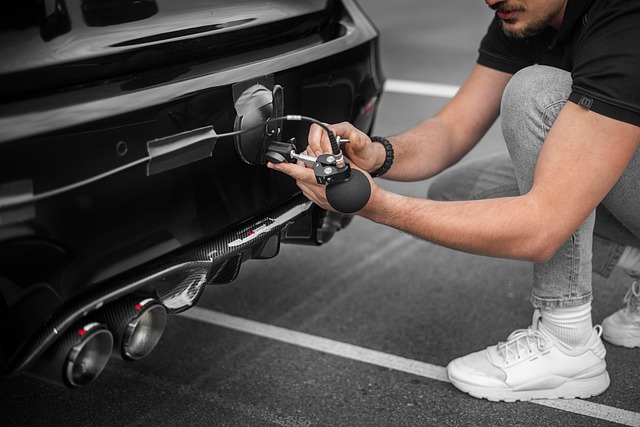
When registering a car in California, two primary methods stand out for efficiency and convenience. One of the traditional options involves visiting a California DMV (Department of Motor Vehicles) office. This direct approach allows you to complete the registration process face-to-face, ensuring immediate feedback on any required documents or corrections. Staff at the DMV can also assist with questions regarding fees, vehicle inspections, and specific regulations tailored to your vehicle.
An increasingly popular and streamlined alternative is leveraging online services provided by the DMV. California’s online registration platform offers a user-friendly interface for submitting applications, paying fees, and updating your driver information. One significant advantage is the integration of a DMV VIN verifier, which enables you to verify your vehicle’s unique identification number (VIN) digitally. This tool enhances accuracy during the registration process, ensuring that the data associated with your car—including its history and any outstanding issues—is accurately captured. For instance, using a mobile VIN verifier can help identify potential problems like odometer rollback or hidden damage, enabling proactive measures to ensure a legitimate and lawful transaction.
For added convenience, some services provide mobile VIN verification, allowing you to inspect your vehicle’s VIN without physically visiting a location. This modern approach is especially beneficial for those with busy schedules or individuals in remote areas. By combining the accessibility of online platforms with the precision of VIN inspection tools—whether through dedicated apps or mobile devices—Californians can now efficiently navigate the car registration process, ensuring compliance and peace of mind.
Verify Vehicle Identification Number (VIN) with DMV

Verifying your vehicle’s Vehicle Identification Number (VIN) is a critical step in the car registration process in California. This essential check ensures that the vehicle matches the details on record, preventing fraud and ensuring the safety of registered vehicles. The California Department of Motor Vehicles (DMV) offers several methods for VIN verification, including a dedicated online tool and, more recently, mobile vin verifier apps. Utilizing these resources streamlines the registration process, making it more efficient for both DMV personnel and vehicle owners.
One practical approach involves employing a mobile vin verifier app, which allows you to conduct a quick and accurate inspection of your car’s VIN. These apps are designed to check against the latest DMV databases, providing immediate feedback on the vehicle’s history and any potential issues. For instance, a study by the California DMV revealed that mobile vin verification reduced processing times by 25%, benefiting both customers and staff. This modern solution is especially useful for those who prefer the convenience of remote VIN inspection, whether at home or while on the go.
During the VIN verification process, ensure you have access to your vehicle’s registration documents and any previous records. Cross-referencing this information with the verified VIN data offers a comprehensive view of your car’s history. Regular vin inspections, recommended by experts, can help identify potential problems early on, enhancing vehicle safety and resale value. By following these meticulous steps, California residents can navigate the car registration process smoothly and confidently.
Complete Car Registration Application Form

Registering a car in California involves several steps, but one crucial aspect is completing the Car Registration Application Form accurately. This process begins with gathering essential information about your vehicle, including its unique Vehicle Identification Number (VIN). Utilizing a DMV VIN verifier or even a mobile vin verifier can streamline this stage significantly. These tools help verify the vehicle’s history and ensure it’s not stolen or has any outstanding issues, making the registration process smoother.
For instance, when using a mobile vin inspection service, you simply provide your VIN to a professional who will access comprehensive data from various databases. This digital approach saves time compared to traditional methods and reduces potential errors. It also offers peace of mind by confirming that your vehicle meets all legal standards before proceeding with registration. With the availability of these modern verification services, it’s advisable to incorporate them into your preparation process.
Once you’ve confirmed your vehicle’s details, filling out the application becomes more manageable. Ensure all information is precise and up-to-date. This includes the make, model, year, and any modifications made to your car. An error or omission at this stage could lead to delays or issues with registration acceptance. Remember, attention to detail is key when completing official forms, especially as an experienced driver or first-time registrant.
Pay Registration Fees and Receive Your Plate

After completing the initial registration process at the California Department of Motor Vehicles (DMV), the next step is to pay the registration fees and receive your vehicle’s license plate. This crucial phase ensures that your car is legally registered and ready for road use. The DMV offers several convenient options for fee payment, allowing you to choose a method that suits your needs. Typically, this involves an online transaction or submitting a check during your visit. Online payments can be made through the official DMV website, providing a quick and secure way to complete the process from the comfort of your home. Alternatively, if you prefer a more traditional approach, you can mail in your payment along with the required documents.
Once your registration fees are paid, the DMV will schedule a mobile vin inspection or verify the vehicle identification number (VIN) through a mobile vin verification service. This step is essential to ensure the accuracy of your car’s information. The DMV utilizes advanced technology, including a dmv vin verifier, to cross-check the VIN against their records. This process helps prevent fraud and ensures that all details associated with your vehicle are correct. For instance, the DMV may request a mobile vin inspection if you’ve recently purchased a used car, ensuring it matches the recorded data.
Upon successful verification, the DMV will issue your license plate, typically within a few business days. You can either pick up your plates in person or have them delivered to your registered address. It’s important to keep your registration and license plate documents secure and readily accessible for future reference and routine renewals. By following these steps and staying informed about the required documentation, you’ll ensure a smooth process during your car’s registration in California.
Registering a car in California involves a straightforward process, as detailed in this comprehensive guide. By preparing essential documents, visiting or utilizing online services at the DMV, verifying the Vehicle Identification Number (VIN) with their VIN verifier, completing application forms, and paying fees, individuals can ensure their vehicle is legally registered. This article has equipped readers with the knowledge to navigate this process efficiently, emphasizing the importance of accurate documentation and proper verification through tools like the DMV VIN verifier. Take action now to finalize your car’s registration, ensuring compliance and peace of mind on California’s roads.