

Registering a car in California is a vital process, ensuring legal ownership and a smooth driving experience. However, navigating the requirements can be challenging for new vehicle owners. This comprehensive guide aims to demystify the process, offering clear steps for a successful registration. From gathering essential documents to understanding fees, we’ll walk you through each crucial step. Moreover, we’ll emphasize the significance of Vehicle Identification Number (VIN) verification for accuracy and security during registration. By following these expert tips, you’ll be well-prepared to register your vehicle efficiently and with confidence in California.
- Understanding California Car Registration Requirements
- Gather Necessary Documents for VIN Verification
- Selecting an Appropriate Registration Class
- Completing the Registration Application Process
- Finalizing and Ensuring Proper Vehicle Title Transfer
Understanding California Car Registration Requirements

Registering a car in California involves several crucial steps to ensure compliance with state laws. Understanding the registration requirements is essential for a smooth process. First, you’ll need to obtain a Vehicle Identification Number (VIN) verification from an authorized source. In California, this often includes utilizing mobile VIN inspection or verification services that can be conducted right at your convenience. These services check the VIN accuracy and vehicle history, which is critical as it links the car to its previous ownership and maintenance records. It’s worth noting that California has stringent regulations regarding vehicle registration, especially for out-of-state transfers, requiring detailed documentation and proper paper work.
One key aspect is ensuring your vehicle meets all safety and emission standards set by the state. This includes passing a smog test, which verifies the car’s exhaust system and emissions output. Failing this test may delay or even prevent registration. Additionally, proof of insurance is mandatory when registering, demonstrating financial responsibility for any potential damages or accidents. Many Californians opt for mobile VIN verification services to streamline these processes, as they offer convenience, accurate data, and timely results, especially when transferring a vehicle from another state.
For example, the California Department of Motor Vehicles (DMV) recommends using official online platforms or trusted third-party providers that specialize in VIN verification and vehicle history reports. These mobile verifiers often provide instant results, allowing you to address any issues promptly before proceeding with registration. By following these guidelines and leveraging modern tools like mobile VIN inspection, individuals can efficiently navigate California’s car registration requirements.
Gather Necessary Documents for VIN Verification

Registering a car in California involves several steps, with one crucial stage being the Vehicle Identification Number (VIN) verification process. This step ensures that your vehicle meets all necessary safety standards before it can be legally operated on California’s roads. To successfully complete this requirement, you’ll need to gather specific documents that prove both ownership and the vehicle’s identity. One efficient approach is to utilize mobile VIN inspection services, which offer a convenient and often faster alternative to traditional methods.
When preparing for VIN verification, collect all relevant paperwork associated with your vehicle. This typically includes the title certificate, registration documents, and proof of insurance. Some states also require a bill of sale or purchase agreement to establish ownership history. Additionally, you’ll need to provide identification documents like a valid driver’s license or state ID card. It’s essential to ensure that all documents are current and accurate to avoid delays during the inspection process.
For those in California, leveraging mobile VIN verification services can streamline this documentation gathering. These services send a trained professional to your location to perform an on-site inspection using specialized equipment to verify your vehicle’s VIN data. This method eliminates the need for lengthy visits to government offices and often results in quicker turnaround times. By ensuring you have all necessary documents prepared, including any required by mobile VIN verifiers, you’ll be well on your way to completing the registration process efficiently.
Selecting an Appropriate Registration Class
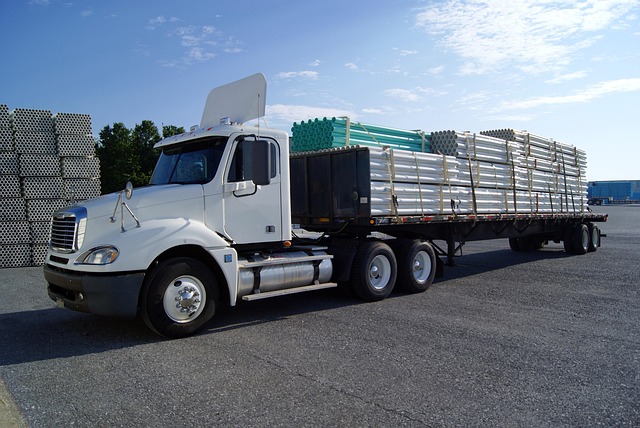
Selecting the right registration class is a crucial step when registering your car in California, as it directly impacts both vehicle safety and compliance with state regulations. California offers several classes, each designed for specific types of vehicles and needs. For example, Class A covers large trucks and buses, while Class D is reserved for motorcycles. The primary determinant in class selection is the Vehicle Identification Number (VIN) verification, which ensures the vehicle’s authenticity and history. This process can be efficiently completed through a mobile VIN verifier, allowing for a faster and more convenient registration experience.
During VIN inspection, you’ll need to verify key details such as the vehicle’s make, model, year, and other identifying characteristics. A mobile VIN inspection service will visit your location, perform this verification, and provide instant access to detailed vehicle history reports. This is particularly beneficial for out-of-state vehicles or those with complex ownership histories. According to California DMV data, using a mobile VIN verifier can reduce registration wait times by up to 30%, making it an ideal choice for busy individuals or businesses looking to streamline the process.
In terms of practical advice, ensure that your vehicle meets all safety standards and emissions requirements before proceeding with registration. Keep in mind that certain classes may have specific restrictions or requirements related to age, condition, or modifications. For instance, classic cars might need additional documentation or inspections. By carefully considering these factors and utilizing modern tools like mobile VIN inspectors, you can ensure a smooth registration process, avoiding potential delays or complications.
Completing the Registration Application Process
Registering a car in California involves several crucial steps, with meticulous attention to detail required at every turn. Completing the registration application process is where the legwork begins. First, gather all necessary documents including your vehicle’s Certificate of Title, current registration (if applicable), and proof of insurance. Ensure that the Vehicle Identification Number (VIN) on these documents aligns precisely with your car’s VIN to facilitate a seamless verification process.
The next phase involves submitting an application form available from the California Department of Motor Vehicles (DMV). Fill it out accurately, double-checking each entry for mistakes. A key component is verifying your vehicle’s history through a mobile VIN inspection or a traditional vin inspection conducted at a DMV office. This step is paramount as it ensures your car meets safety and environmental standards, a process made more convenient with the option of a mobile VIN verification service.
Once your application is complete and your car’s VIN has been verified, you’ll receive notification regarding any additional requirements or fees. If all checks out, your registration will be processed, culminating in the issuance of a new registration certificate. Throughout this process, staying organized, keeping copies of submitted documents, and being prepared for potential back-and-forth communication with DMV representatives are strategic moves that can expedite completion.
Finalizing and Ensuring Proper Vehicle Title Transfer
When finalizing the registration process for your vehicle in California, ensuring a seamless and legally compliant transfer of ownership is paramount. This involves verifying the vehicle’s identity through a meticulous examination of its Vehicle Identification Number (VIN). The California Department of Motor Vehicles (DMV) strictly enforces VIN verification as a critical step to prevent fraud and ensure the security of the state’s automotive registry.
A key aspect in this process is utilizing reliable methods for VIN inspection. Traditionally, this has been conducted through stationary vin verifiers at DMV offices. However, modern advancements have introduced mobile vin verification services, offering convenience and flexibility. Mobile vin verifiers, equipped with sophisticated scanning technology, can accurately capture and transmit data directly to the DMV database, streamlining the entire process. This innovative approach is particularly beneficial for out-of-state transfers or when dealing with hard-to-reach locations, ensuring a swift and efficient transfer despite geographical challenges.
For instance, consider a scenario where a resident of Los Angeles purchases a vehicle from a dealer in another state. Through a mobile vin inspection, the new owner can have the VIN verified remotely, eliminating the need for an in-person visit. This real-time data exchange with the DMV’s system allows for immediate updates to the vehicle’s ownership records, providing a smooth transition and reducing potential delays. Moreover, regular utilization of mobile vin verification services can aid in maintaining accurate vehicle histories, enhancing overall transparency within California’s automotive marketplace.
By meticulously navigating California’s car registration requirements, including crucial VIN verification, selecting the right registration class, completing applications, and ensuring a seamless vehicle title transfer, you can confidently register your vehicle in this state. This process ensures not only legal compliance but also provides peace of mind, allowing you to hit the roads with a registered, properly documented vehicle.